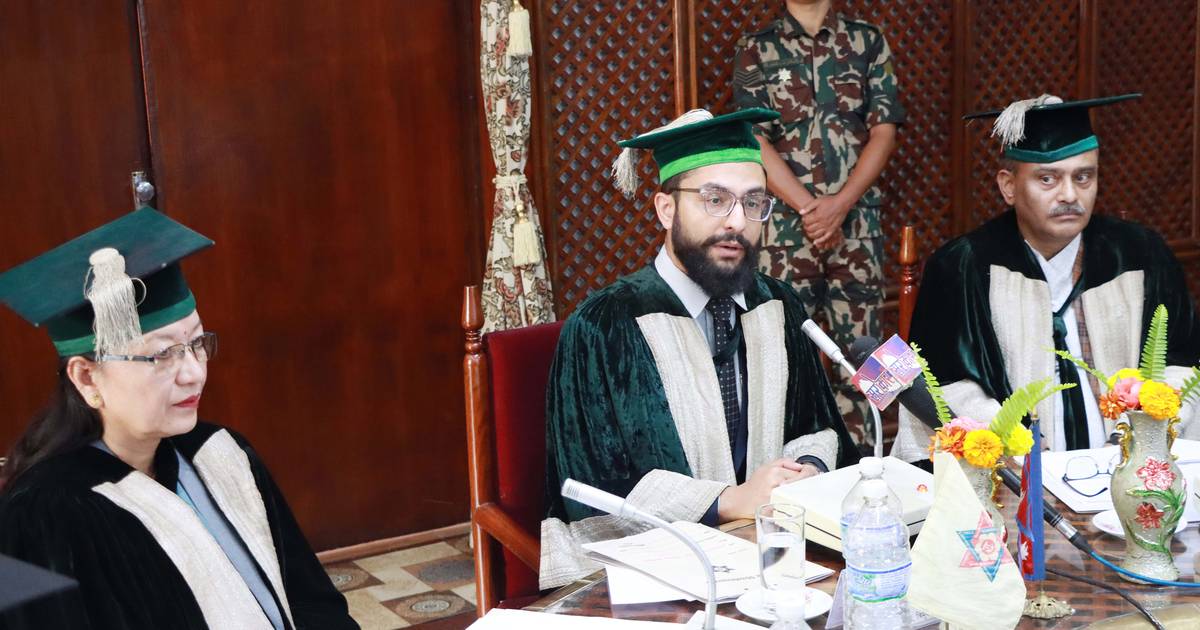
During a recent consultation organized by the Ministry of Education, Science and Technology (MoEST), educational stakeholders urged the inclusion of special-purpose schools within the forthcoming Education Act. Held at the Ministry in Singha Durbar, the feedback session aimed to address policy and operational frameworks to help these specialized institutions function with greater autonomy and efficiency.
Key Policy Discussions and Government Commitment
The meeting was chaired by Shailendra Jha, Chief Advisor to the Education Minister. Discussions focused on integrating special-purpose schools into Nepal's national education system, improving financial management, ensuring teaching quality, and clarifying administrative roles across federal, provincial, and local levels of government.
Addressing the session, Chief Advisor Jha stated that the inputs gathered would assist in shaping policy provisions for these institutions. Ministry Joint Secretary Shiva Kumar Sapkota assured participants that structural and policy reforms would be introduced to support their smooth administration.
Challenges Faced by Special-Purpose Schools
Representatives from several key institutions attended the session, including Sainik School, Nepal Police School, SOS School, Nijamati (Civil Service) School, Gandaki Boarding School, Budhanilkantha School, and Shahid Smriti School.
School delegates highlighted several operational hurdles, particularly for institutions established to serve children affected by past conflict. They reported persistent difficulties such as stagnant student enrollment numbers, a lack of sanctioned positions for teachers, and broader administrative struggles. The stakeholders emphasized that bringing special-purpose schools under a unified legal framework within the new Education Act is essential to ensure long-term stability, autonomy, and high-quality education.