Education stakeholders and lawmakers in Nepal have urged the government to incorporate robust provisions for investment security, policymaking inclusion, and quality standards for private educational institutions in the upcoming School Education Bill.
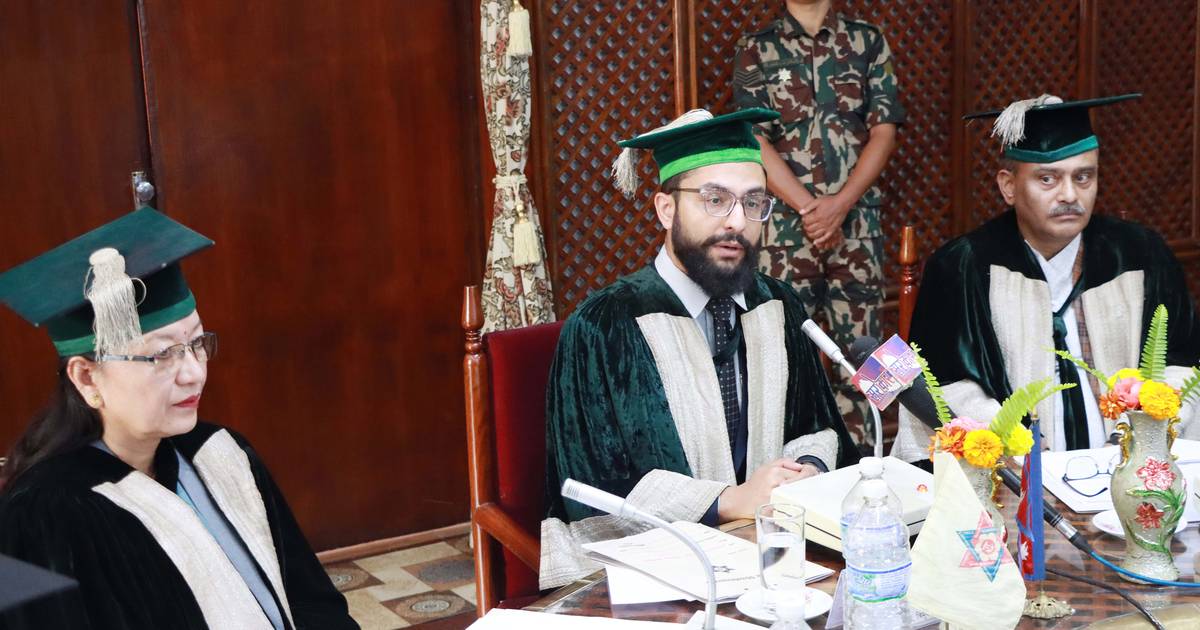
During an educational debate organized by the Private and Boarding Schools’ Organization Nepal (PABSON) Lalitpur District Committee, speakers emphasized that state-private collaboration is vital to elevating the nation's education sector.
Calls for Policy Protection and Representation
Speaking at the event, House of Representatives member Kusum Maharjan highlighted the complementary relationship between the state and private operators, calling for ongoing dialogue. Pointing out that many parents choosing private education face financial constraints, she encouraged school managers to deliver education that justifies parental sacrifices.
PABSON Central President Krishna Adhikari underscored that private institutions handle approximately 41 percent of the country's educational load spanning from pre-school to Grade 12, as well as technical and vocational streams. Citing constitutional protections regarding equality and property rights, Adhikari pressed for legal safeguards for investors who have pledged family heirlooms, ancestral land, and taken personal loans. He further called on provincial and local governments to offer adequate administrative support for running colleges and universities.
Reform and Government Investment Efficiency
Ram Hari Silwal, General Secretary of the Higher Secondary Schools’ Association Nepal (HISSAN), argued that bureaucratic rigidity often stalls promised reforms. He called for administrative changes and suggested analyzing state expenditure in public institutions—noting the government spends between Rs 40,000 and Rs 85,000 per student annually in community schools—to evaluate return on investment.
Shailendra Jha, Chief Advisor to Education and Sports Minister Sasmit Pokharel, noted that free education extends beyond fee waivers to guaranteeing quality learning for every child across all regions and economic strata. He assured that feedback gathered from stakeholders would be integrated into the final bill text. Additionally, PABSON Central General Secretary RB Katuwal highlighted the necessity of aligning modern education with core values, practical skills, and technology.