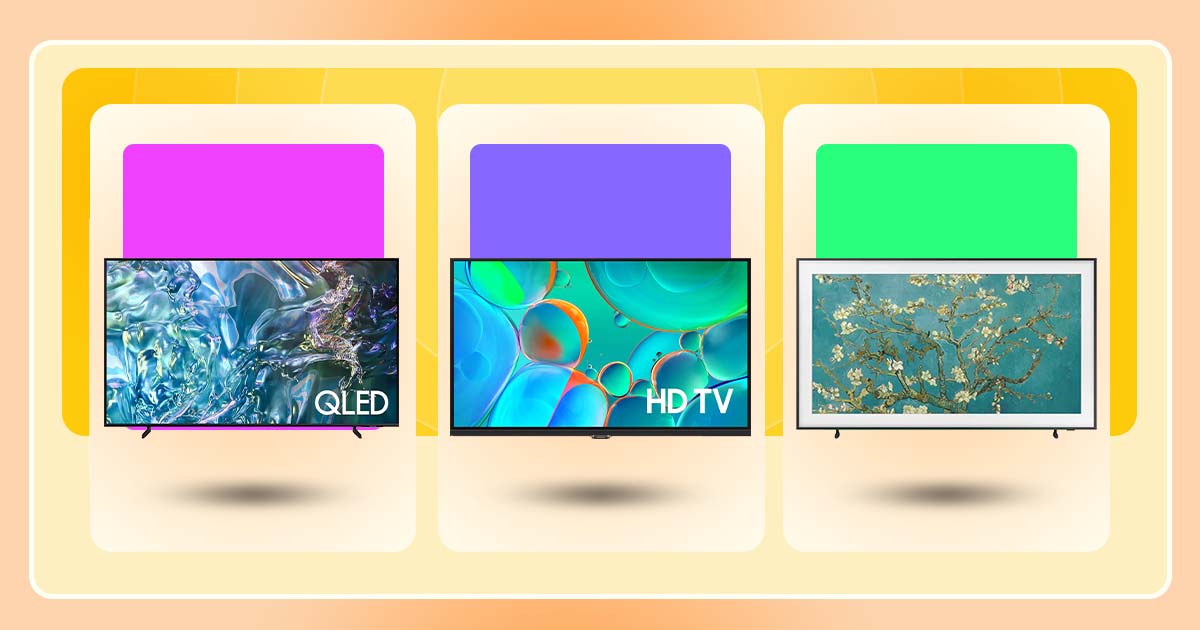
Samsung has maintained its position as a major force in the global display market for decades, capturing roughly 29.1% of global TV sales in 2025. In Nepal, the brand offers a wide range of choices, spanning from compact 32-inch budget televisions to massive 98-inch premium displays.
Local Production and Distribution Network
To meet domestic demand, Samsung teamed up with Him Electronics to establish a local television assembly plant in Nawalparasi. This facility boasts a production capability of up to 1,000 units daily, assembling screens ranging from entry-level options to 85-inch models. Across the country, buyers can find official Samsung products at over 500 retail outlets, dedicated Samsung Plaza showrooms, or online via Daraz Mall. Authorized distribution is handled primarily through Him Electronics and Triveni Byapar.
For added purchasing flexibility, local consumers can buy premium QLED and UHD TVs on EMI without needing a credit card. Currently, all officially purchased Samsung televisions in Nepal come backed by a 3-year full product warranty, alongside a 1-year warranty covering the remote controls.
Entry-Level HD Lineup
For users primarily watching content via set-top boxes who want an affordable option, Samsung offers a 32-inch H-series HD TV model in the Nepalese market, which is available with a 12-month EMI plan.
This budget set features a 32-inch display with HD resolution (1366 x 768 pixels). Driven by Samsung's HyperReal Engine, it supports HDR and HDR10+ formats to maintain contrast and color accuracy. Design-wise, it features a 3-side bezel-less chassis in a Black finish and includes a Mini Arc Stand for easy wall mounting. Running on Tizen OS, it supports popular streaming services like Netflix and YouTube, along with Bixby voice assistant. Audio is provided by a 20W 2-channel setup with Q-Symphony and OST Lite support. Connectivity options include Bluetooth 4.2, HDMI, USB, and RF ports.
QLED Technology Overview
Beyond traditional LED sets, Samsung's lineup features QLED displays, which incorporate microscopic semiconductor nanocrystals known as quantum dots. Backlight illumination allows these dots to produce over a billion colors and reach higher peak brightness levels, delivering richer contrast and more vibrant visuals compared to standard LED-LCD screens.