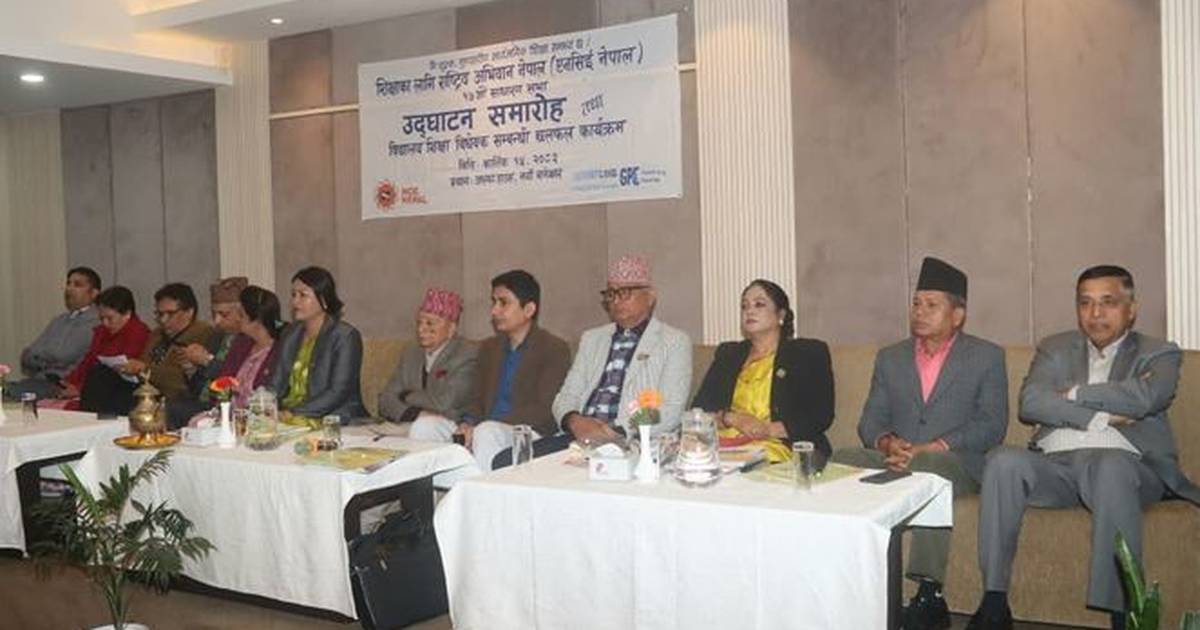
Lawmakers, policy experts, and human rights activists in Nepal have strongly called for the upcoming School Education Bill to effectively materialize the constitutional right to free and high-quality education. Speaking at an interaction program organized by the National Campaign for Education (NCE) Nepal, participants highlighted that public education remains a core responsibility of the state, requiring a well-defined allocation of authority and budget across federal, provincial, and local governments.
Key Perspectives from Human Rights and Lawmakers
Tap Bahadur Magar, Chairperson of the National Human Rights Commission (NHRC), acknowledged progress in Nepal's education sector while stressing the need for child-friendly, inclusive learning environments, minimum physical infrastructure, and enhanced school safety. Parliamentarians across political lines also presented specific recommendations during the event.
Rastriya Swatantra Party (RSP) HoR member Kusum Maharjan called for extensive discussions to drive meaningful educational reforms. Nepali Congress (NC) HoR member Dr. Pramila Kumari Gachhadar advocated allocating at least 20 percent of the total budget to education and prioritizing stakeholder input. Meanwhile, CPN (UML) HoR member Guru Prasad Baral emphasized creating an implementation-oriented law through proper procedures, and fellow UML member Sajida Khatun Siddiqui urged that the legislation remain free from external influences.
Governance, Resources, and Expert Recommendations
Addressing governance challenges, Bagmati Provincial Assembly member Hari Prabha Khadgi stressed resolving jurisdictional overlap among the three tiers of government without bureaucratic overreach. In response, Shiva Kumar Sapkota, Joint Secretary at the Ministry of Education and Sports, assured that the draft bill aligns with constitutional values and will incorporate relevant stakeholder feedback.
Former Education Secretary Balananda Poudel advised clear policy definitions within the bill, while educationist Prof. Dr. Bidyanath Koirala underscored empowering every local level to enforce compulsory and free schooling. Additionally, Prof. Dr. Balchandra Luitel highlighted demographic factors and resource allocation essential for effective educational reform.