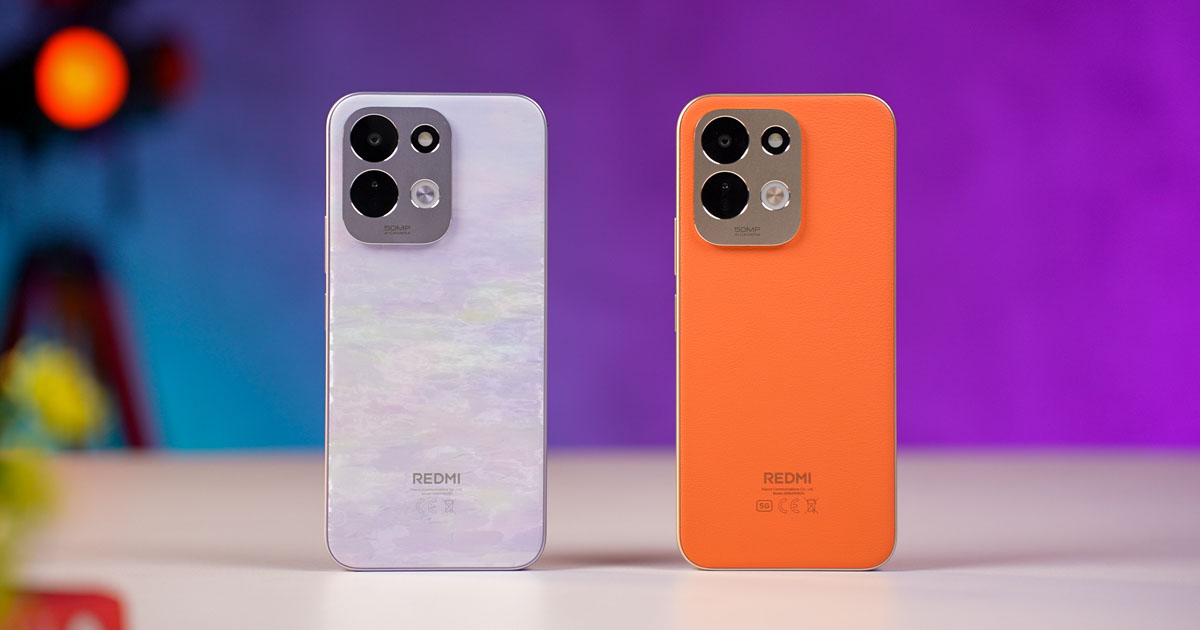
Xiaomi has expanded its popular budget lineup in Nepal with two fresh options: the standard Redmi 17 and the upgraded Redmi 17 5G. Pricing starts at NPR 28,000 for the base Redmi 17 (4GB/128GB), while the Redmi 17 5G begins at NPR 34,000 for the same 4GB/128GB configuration. For an extra NPR 6,000, the 5G variant delivers a faster processor and faster connectivity, making it a stronger investment for the long run.
Unboxing and In-Box Accessories
Unlike many modern devices, both smartphones come fully equipped out of the box. Buyers receive a 45W charging brick, a USB Type-A to Type-C cable, a clear hard plastic case, and a SIM ejector pin. Including a fast charger in the box is a major plus for budget-conscious buyers, saving them from extra accessory costs.
Build, Design, and Ergonomics
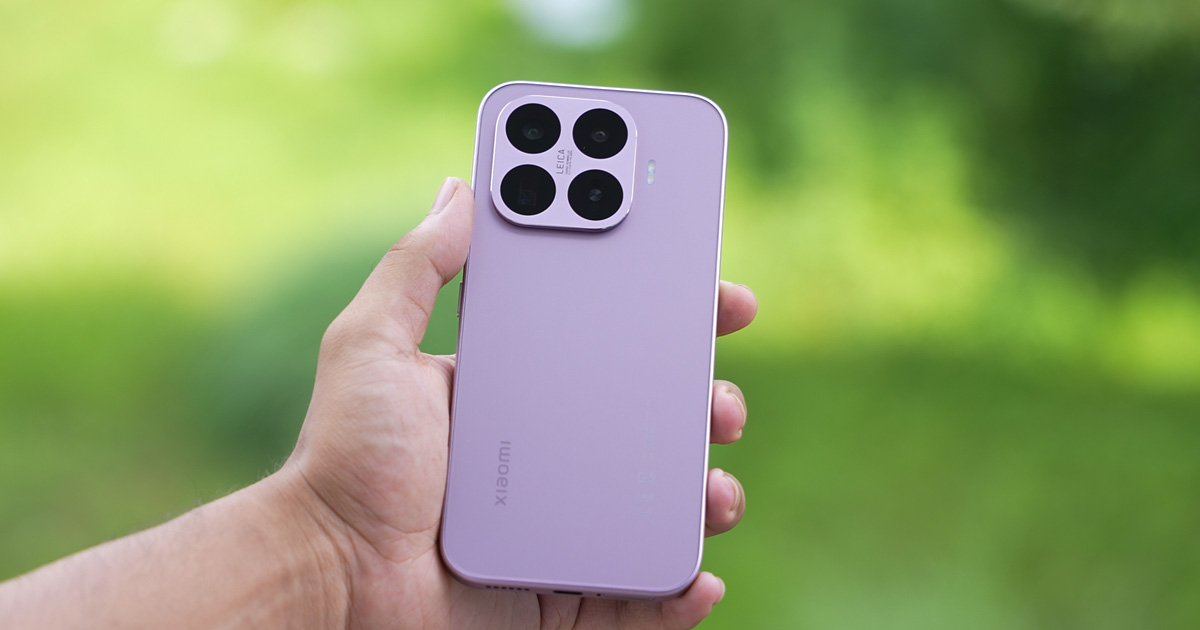
At first glance, both models share identical dimensions, camera modules, and flat frames. The key distinction lies in their back finishes. The standard Redmi 17 features a plastic back coming in Black, Deep Blue, Oak Green, and a marble-patterned Lotus Purple. Meanwhile, the Redmi 17 5G is offered in Black, Deep Blue, and a Vivid Orange variant that features an eco-leather texture resembling orange peel.
Because both handsets house a massive 7,500mAh battery, they weigh roughly 232 grams. Reaching the top of the oversized 6.9-inch screen requires two hands occasionally, but the flat frame aids overall grip. Practical additions include IP64 dust and splash resistance, a reliable side-mounted fingerprint scanner, and a classic 3.5mm headphone jack.
Display Quality and the HD+ Downgrade
Both models feature a 6.9-inch IPS LCD panel with a 120Hz refresh rate, ensuring fluid navigation across social media platforms like TikTok and Instagram. Peak brightness reaches up to 825 nits, which is workable indoors, though direct sunlight requires some squinting.
However, the display resolution is a noticeable step down. Xiaomi downgraded both phones to an HD+ panel, whereas the older Redmi 15 boasted a crisp Full HD+ display. This resolution drop is particularly hard to justify on the NPR 34,000 5G model.