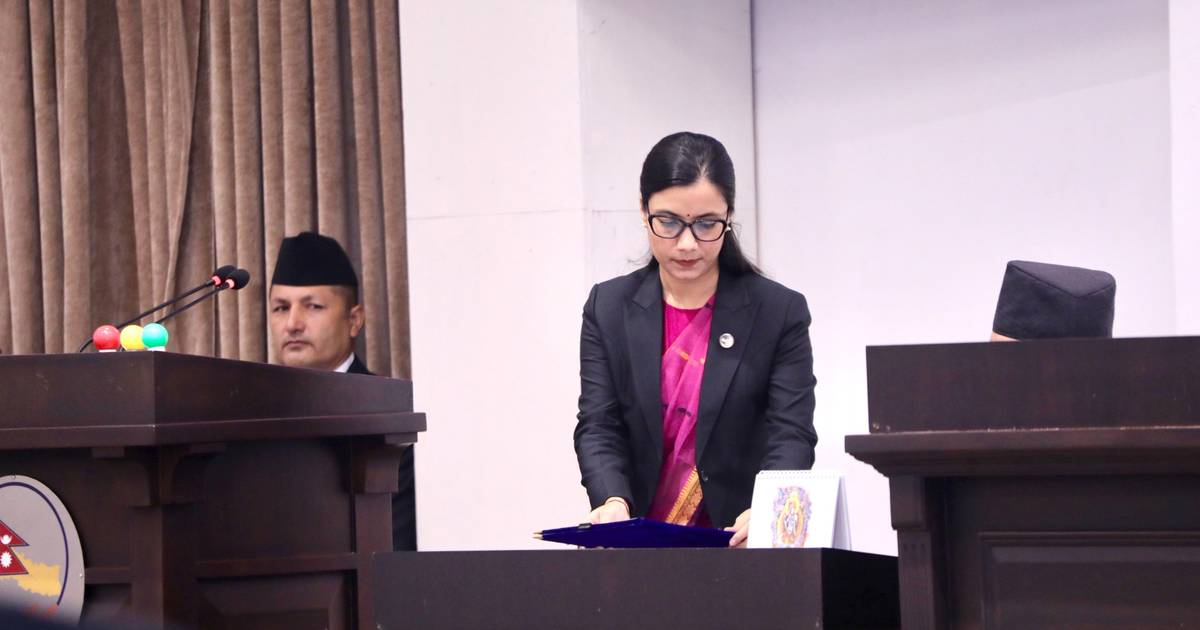
Prime Minister Balendra Shah has encouraged lawmakers from engineering backgrounds to prioritize their technical expertise and innovative capabilities to accelerate Nepal's national development.
During a recent interaction at the Office of the Prime Minister and Council of Ministers in Singhadurbar, PM Shah called on technical MPs to focus on long-term policy formulation rather than routine political matters. He highlighted that while political campaign participation is natural during elections, lawmakers with technical roots should dedicate their time toward policy-making and innovative solutions. Describing the group as extraordinary individuals, he expressed confidence that sustained focus on new ideas could transform the country within five years.
Key Issues and Infrastructure Proposals
Speaking at the program, Minister for Infrastructure Development Sunil Lamsal stated that the government is updating laws to foster a better environment for private businesses. Citing recent waste management reforms, he revealed plans to remove customs duties on vehicles transporting industrial raw materials and facilitate setting up factories closer to raw material sources.
Parliamentarians also shared various development proposals during the meeting. MP Sagar Dhakal advocated for round-the-clock, three-shift operations on major infrastructure projects and suggested legal updates to promote coffee production and exports. MP Ashish Gajurel proposed shifting public transport to a Public-Private Partnership (PPP) framework to build a zero-traffic system using smart transportation models.
Additionally, MP Shriram Neupane emphasized 24-hour construction work to boost capital spending, while MP Dharmaraj KC urged action on climate change legislation. To combat the brain drain of skilled technical personnel, Dr. Ram Lama suggested improving engineers' salaries and benefits. Meanwhile, MP Tapeshwar Yadav welcomed government preparations to establish a new engineering college in the Tarai region. Lawmakers Jagadish Kharel, Ujwal Kumar Jha, Arvind Shah, and Sushil Khadka also raised contemporary issues during the session.