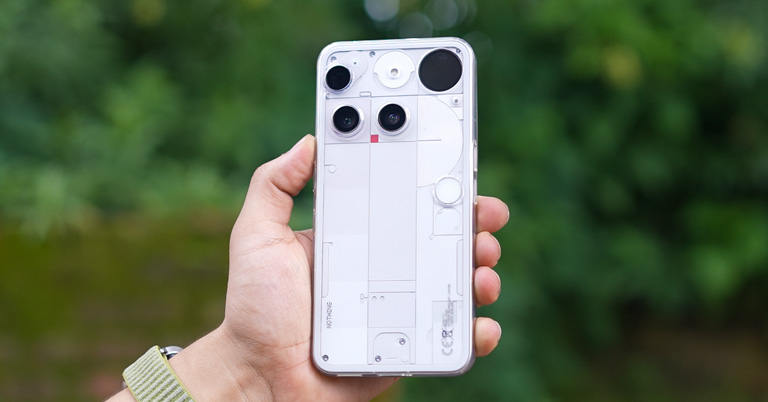
The anticipation surrounding the release of the Nothing Phone 3 has been immense among tech enthusiasts. Known for its distinct visual aesthetic and clean software approach, the brand aimed high with this release, attempting to establish a solid footprint in the premium smartphone category. However, taking on the flagship market requires uncompromising quality across performance, build, and imaging. In our detailed evaluation, we examine whether the device lives up to its hype or falls short of flagship expectations.
Design and Build Quality
Design has always been a primary selling point for Nothing devices, and the Phone 3 continues this tradition with its eye-catching design language. The transparent aesthetic remains a standout feature, making it instantly recognizable. While the visual appeal is undeniable and the build quality feels solid in the hand, ergonomic considerations and daily durability play a crucial role when determining if a phone truly meets high-end flagship standards.
Performance and User Experience
Under the hood, the Nothing Phone 3 aims to deliver fluid responsiveness for daily tasks, multitasking, and gaming. Powered by Nothing OS, the software environment remains clean, snappy, and free from unnecessary bloatware. However, in demanding performance evaluations and heavy workloads, the device encounters challenges in maintaining top-tier flagship consistency, leading to questions about its sustained processing power.
Camera Evaluation
For modern flagship buyers, camera performance is often a deciding factor. The camera setup on the Nothing Phone 3 handles standard daylight photography reasonably well, delivering vibrant colors and decent dynamic range. However, when pushed into challenging low-light environments or complex shooting scenarios, the camera system shows limitations that hold it back from competing directly with established high-end smartphones.
Final Verdict
The Nothing Phone 3 brings impressive design innovation and a refined software experience to the table. Yet, when judged strictly as a top-tier flagship contender, its shortcomings in overall camera performance and peak processing consistency make it feel like a misstep for the premium segment. For users prioritizing unique design, it remains an intriguing option, but buyers seeking an uncompromised flagship experience may find it falls somewhat short.