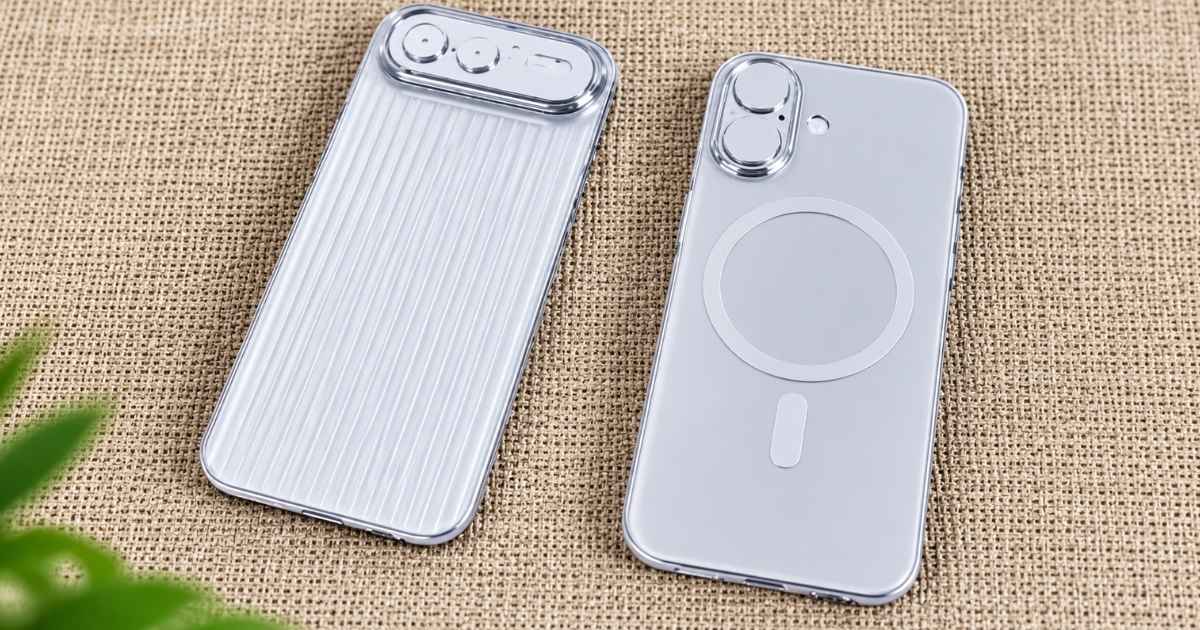
Early dummy models of Apple's next-generation smartphones—the standard iPhone 18 and the iPhone Air 2—have surfaced online, giving tech enthusiasts a preview of what to expect from the tech giant. These CNC-machined aluminium units are typically created to help third-party accessory manufacturers design protective cases ahead of official release dates.
Refined Rear Designs and Display Specs
The leaked dummy of the iPhone 18 shows a rear design very similar to the current iPhone 17. It features a pill-shaped camera module with two vertically aligned sensors, indicating Apple may stick with a familiar dual-camera layout for another cycle. Meanwhile, the iPhone Air 2 retains the ultra-slim profile and elevated camera bump of the original iPhone Air, but introduces a notable tweak: two camera cutouts instead of one, alongside a smaller circular cutout for the LED flash.
Regarding displays, current rumors suggest the iPhone 18 will sport a 6.3-inch screen, whereas the iPhone Air 2 could feature a slightly larger 6.55-inch panel. Both devices are expected to continue utilizing Apple's Dynamic Island layout alongside a 120Hz refresh rate.
Camera Changes, Battery Boost, and A20 Silicon
The dual-camera addition on the iPhone Air 2 is one of the biggest highlights. While the original iPhone Air relied on a single 48MP camera, leaks point toward the Air 2 adding a 48MP ultrawide sensor alongside the 48MP main lens for better photography flexibility. The iPhone 18, on the other hand, maintains its standard dual-camera configuration.
On the battery front, previous X-ray leak data hints that the iPhone 18 could pack a 4,430mAh battery—a significant upgrade over the 3,692mAh cell in the iPhone 17. Apple might even drop the physical SIM slot on eSIM-only models to accommodate this extra capacity. Battery details for the slim iPhone Air 2 remain unconfirmed.
Under the hood, both handsets are slated to run on Apple's upcoming silicon: the standard A20 chip for the iPhone 18 and the more capable A20 Pro processor for the iPhone Air 2, both running the latest iteration of iOS upon release.