First Impressions and Expected Price in Nepal
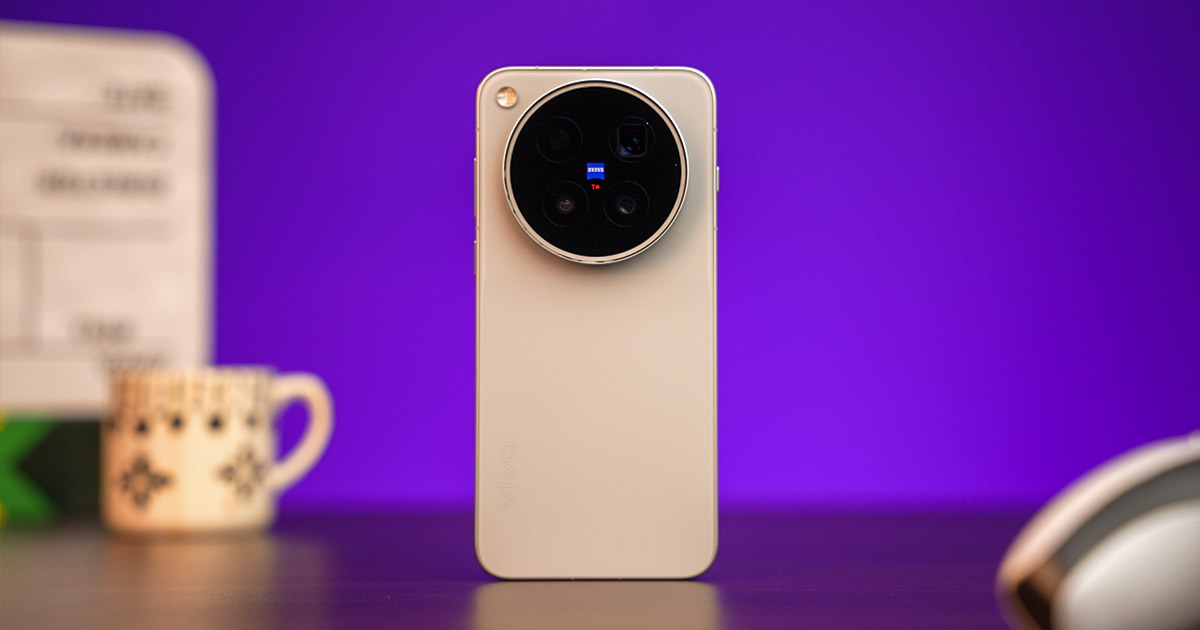
Vivo has updated its flagship setup this year with an intriguing lineup shift. The regular X500 Pro has been repositioned as a compact flagship, leaving the new Vivo X500 Pro Max as the true direct successor to the previous X300 Pro (rather than the X300 Ultra). Having launched in China, the flagship has not officially debuted in Nepal yet. However, given current pricing patterns and premium upgrades, the Vivo X500 Pro Max is expected to start at around Rs. 2,50,000 if it arrives locally.
Unboxing Package and Included Accessories
Unlike many modern flagships that strip accessories from the box, the Chinese retail package of the Vivo X500 Pro Max is remarkably complete. Inside, users receive the phone with a pre-installed screen protector, a protective clear case, a SIM ejector tool, a USB-A to USB-C charging cable, and a 90W FlashCharge wall adapter. Providing a bundled charger and protective case is particularly useful given the phone's large rear camera housing. Furthermore, Vivo has introduced optional accessories, including ZEISS 200mm and 400mm telephoto extenders.
Camera Hardware and Initial Quality
The camera setup remains the central attraction of Vivo's X series. The X500 Pro Max introduces a 50MP Sony main sensor alongside a 200MP Samsung HP0 telephoto camera capable of 3.5x optical zoom. The ultra-wide and front-facing cameras retain similar hardware to the previous generation, with Vivo placing its primary focus on camera algorithms and video enhancements.
Initial side-by-side comparisons with the X300 Pro show noticeable improvements. Portrait photographs look attractive with pleasant skin tones and balanced processing that avoids excessive artificial sharpening. However, closer inspection reveals a few drawbacks, including slightly softer details in portrait mode and minor HDR inconsistencies under challenging lighting.
Battery, Thermal Behavior, and Conclusion
Powering the smartphone is a huge 8,000mAh battery paired with fast 90W wired charging support. While battery endurance, video recording, and zoom capabilities stand out as clear highlights, early testing also highlights slight thermal build-up under workload and dynamic range quirks that Vivo could refine through future software updates.