Introduction
Open-ear clip-on earbuds have been gaining traction for users who want complete situational awareness without stuffing tips inside their ear canals. Following our time with premium alternatives like the Huawei FreeClip 2, we were excited to test the much more affordable CMF Clip Pro to see how much of that experience translates to a budget-friendly price point.
Design and Build Quality
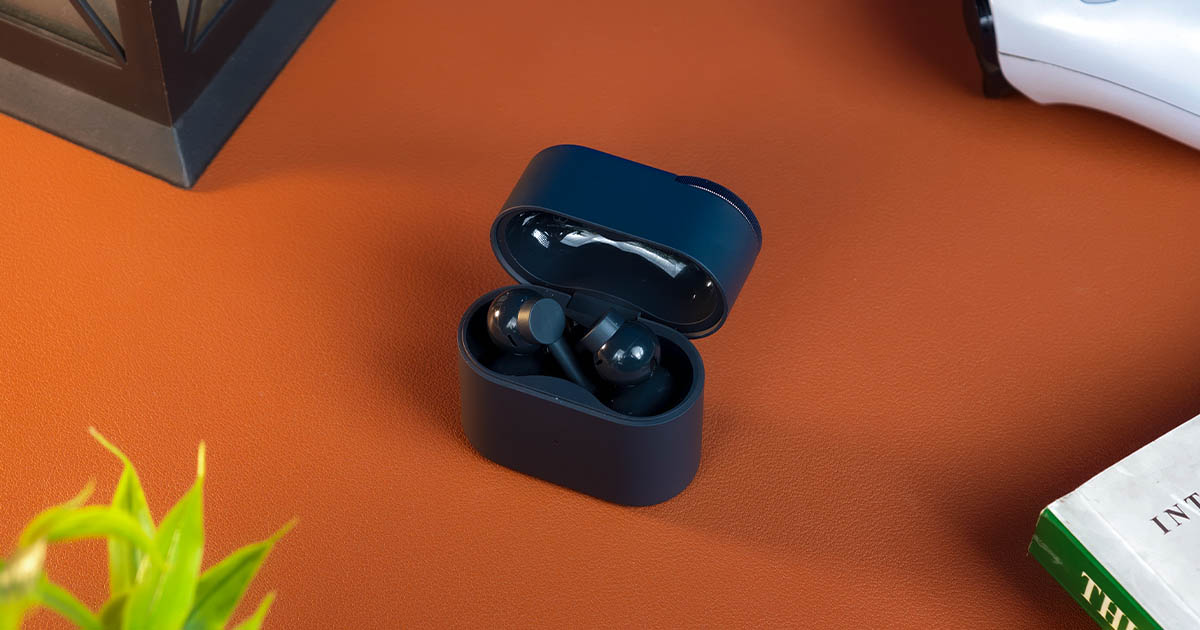
At first glance, the CMF Clip Pro features a somewhat boxy charging case that carries a footprint similar to the Sony WF-1000XM6. It sports CMF's signature rotating dial on the right side, which can be configured to control various functions. Strangely, this smart dial is disabled by default, meaning you must turn it on via the Nothing X app before using it. The case itself features a neat matte finish, though it is slightly bulky for small pockets.
The earbuds themselves feature a sturdy plastic build. While they do not feel luxurious, they are lightweight and easy to clip on. They generally remain secure during regular daily activities, requiring only occasional adjustments to maintain their position.
Comfort and Ergonomics
The lightweight build makes the Clip Pro very easy to wear initially. However, long-term comfort can be inconsistent. During testing, wearing them continuously for more than two hours caused mild aching in the left ear, even though the right ear felt completely fine—a common quirk with clip-on earbud designs.
Audio Quality and Features
Sound quality on the CMF Clip Pro produces mixed impressions. In quieter indoor spaces like an office or bedroom, the earbuds offer a decent listening experience with clear vocals and respectable instrument separation. However, because of the open-ear design, you may need to crank the volume up to around 70% to overcome light background noise. The overall sound signature leans flat, missing out on deep bass punch even for listeners who prefer neutral sound profiles.
Through the Nothing X app, users can access several EQ presets, though switching between them produces only subtle shifts in audio output. The biggest drawback comes when stepping outdoors into noisy commuting environments, where the open structure struggles to keep music audible against loud surrounding noise.