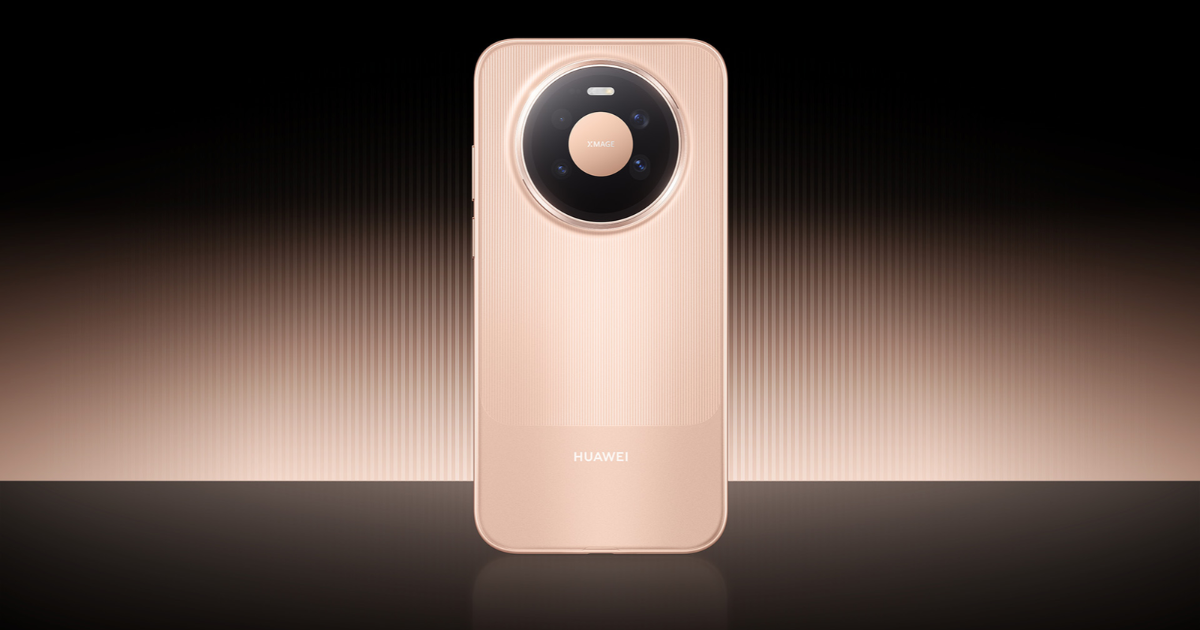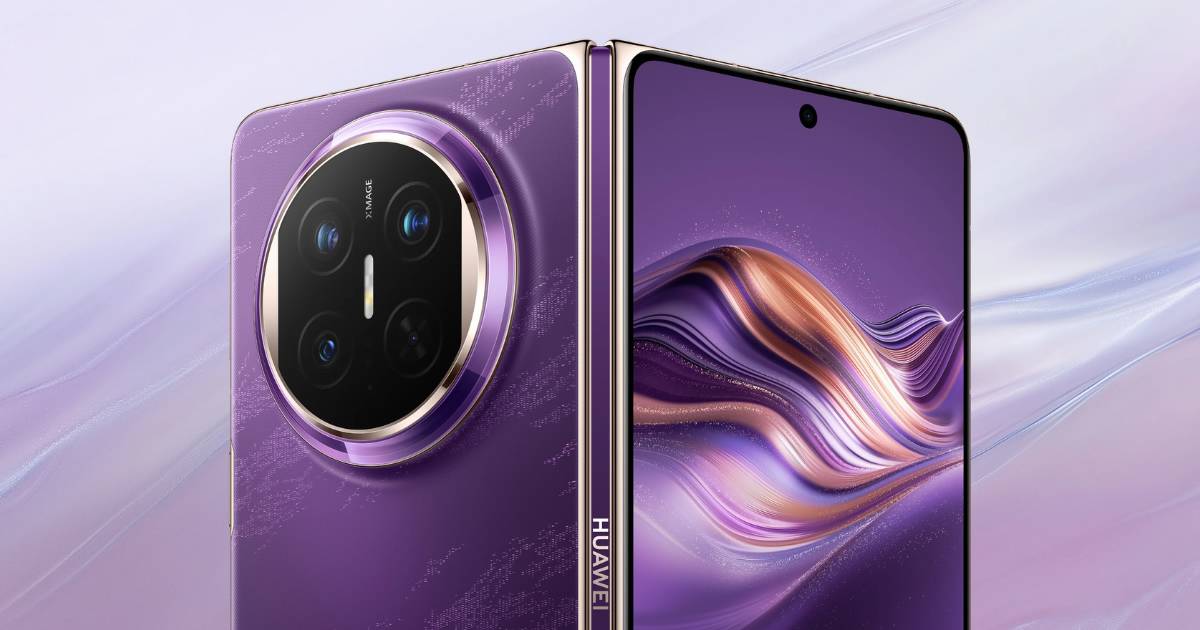
Huawei has officially introduced its newest book-style flagship foldable, the Mate X8, serving as the direct successor to the previous Mate X7. The new device brings substantial upgrades across design, processing power, battery capacity, and screen engineering, featuring a redesigned magnetic-controlled hinge system engineered to minimize display creasing.
Design and Build Durability
The Huawei Mate X8 maintains the traditional book-style folding form factor while refreshing the back design with an updated camera module ring. When folded, the chassis measures 8.95mm thick, tapering down to a slim 4.2mm when opened. This makes it thinner than its predecessor, which measured 9.5mm and 4.5mm respectively. The phone weighs 237 grams and features IP58 and IP59 ratings for dust and water resistance, with third-generation Kunlun Glass protecting the outer screen.
Displays and Magnetic Crease Control
On the front, the Mate X8 sports a 6.54-inch cover screen (2444 x 1132 resolution), while opening the device reveals an 8.2-inch flexible display (2424 x 2340 resolution). Both screens use LTPO OLED panels with dynamic 1-120Hz refresh rates and 1440Hz high-frequency PWM dimming. Huawei reports localized peak brightness figures at 1% APL reaching up to 12,000 nits on the cover display and 8,000 nits on the inner screen, which also gets an anti-reflective coating.
To solve the crease issue, Huawei implemented a magnetic-controlled flattening mechanism. The system incorporates a thin magnetic composite material, a three-stage high-strength steel support structure, an ultra-thin aerospace-grade steel laminate, and micro-level 3D-printed filling. Huawei states this design improves inner screen flatness by 90%.
Performance, Software, and Battery
Powering the Mate X8 is the Kirin 9050 Pro chipset, also found in the Mate XT 2 tri-fold. The updated processor delivers a reported 31% gain in overall performance and a 40% jump in graphics rendering compared to the Mate X7. Memory configurations include up to 16GB of RAM and up to 2TB of internal storage, with standard options starting at 12GB of RAM with 256GB or 512GB storage.
The phone runs on HarmonyOS 7, packed with productivity enhancements like WPS Office document comparison, a virtual touchpad for unfolded navigation, and Xiaoyi AI capabilities for note-taking and meeting summaries. It is backed by a 6,200mAh silicon-carbon battery supporting 66W wired fast charging, 50W wireless charging, and reverse wireless charging support.